Thinking about buying a fixer-upper in Tampa Heights or Seminole Heights? You are not alone, and you are also not looking at a simple paint-and-flooring project in most cases. In these close-in Tampa neighborhoods, older housing stock, historic character, and city review rules can shape both your renovation budget and your resale upside. If you want to buy smart, this guide will help you understand what to look for, what can add value, and where buyers often get surprised. Let’s dive in.
Why these neighborhoods draw fixer-upper buyers
Tampa Heights and Seminole Heights appeal to buyers who want character, location, and long-term potential. Both areas have older homes, established streetscapes, and active buyer interest, which makes them popular for renovation-minded purchases.
Tampa Heights sits near downtown Tampa, the Riverwalk, and major redevelopment activity around places like Armature Works, Heights Union, the Pearl Apartments, and Water Works Park. The city notes that much of its major development happened from the late 1870s through the mid-1920s, so you should expect a mix of older homes, historic fabric, and some infill opportunities.
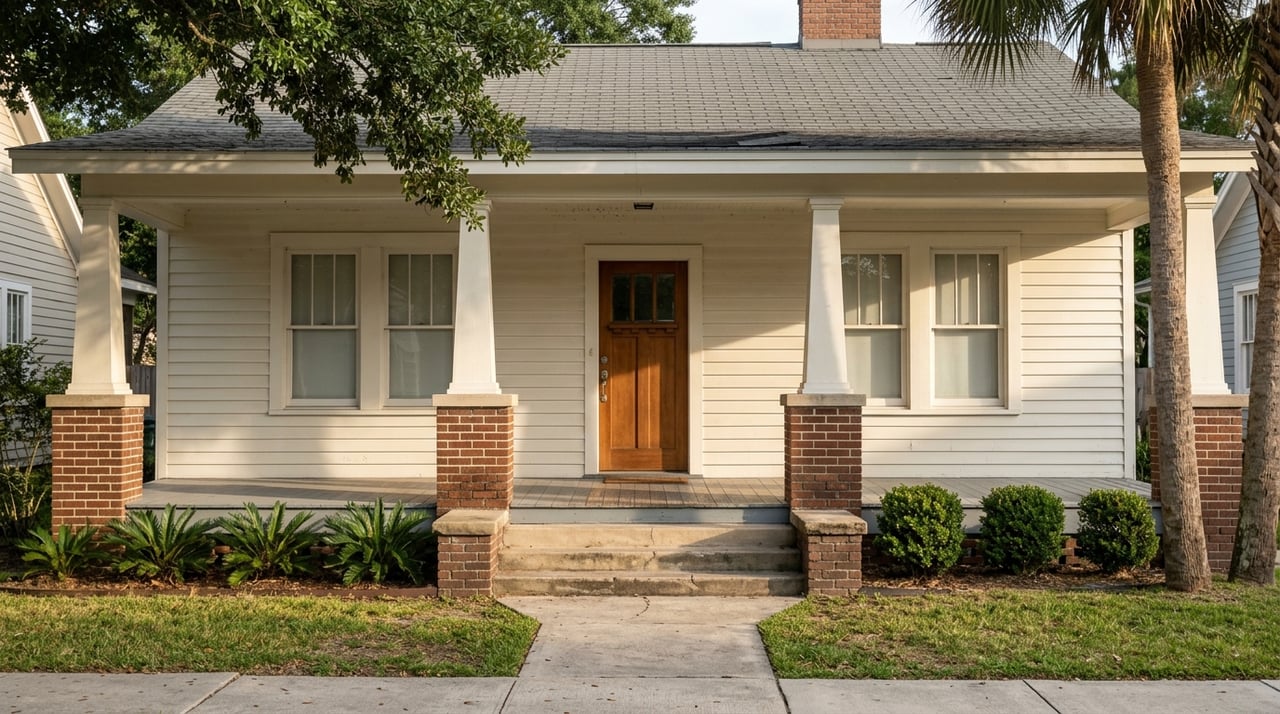
Seminole Heights has a different but equally strong identity. The city describes Old Seminole Heights as a tree-shaded area with stately bungalows from the early 1900s, while nearby sections include 1920s bungalows, 1950s to 1960s ranch homes, and newer construction.
What the market says now
If you are shopping for a fixer-upper, it helps to start with realistic price expectations. These neighborhoods are desirable, but they are not entry-level markets in the way they may have been years ago.
In Tampa Heights, Realtor.com reports a May 2026 median listing price of $579,000, with 76 active listings and a median 91 days on market. Redfin reports a median sale price of $592,301 over the last three months.
In Seminole Heights, Redfin reports a median sale price of $558,000 over the last three months. Realtor.com reports a May 2026 median listing price of $639,450 and a median 70 days on market.
Those numbers use different time periods and methods, so the exact figures should be read carefully. Still, the broad takeaway is clear: if you are buying a fixer-upper here, you are likely paying for location and neighborhood identity before renovation even begins.
How to spot real renovation potential
A fixer-upper can be a smart buy, but only if the renovation scope matches the home, the lot, and the neighborhood context. In Tampa Heights and Seminole Heights, exterior character often matters as much as, or more than, interior finishes.
The city’s design guidelines focus on compatibility at the street level. That includes scale, massing, setbacks, orientation, materials, trim, façade proportions, window patterns, porch projections, roof forms, and overall design quality.
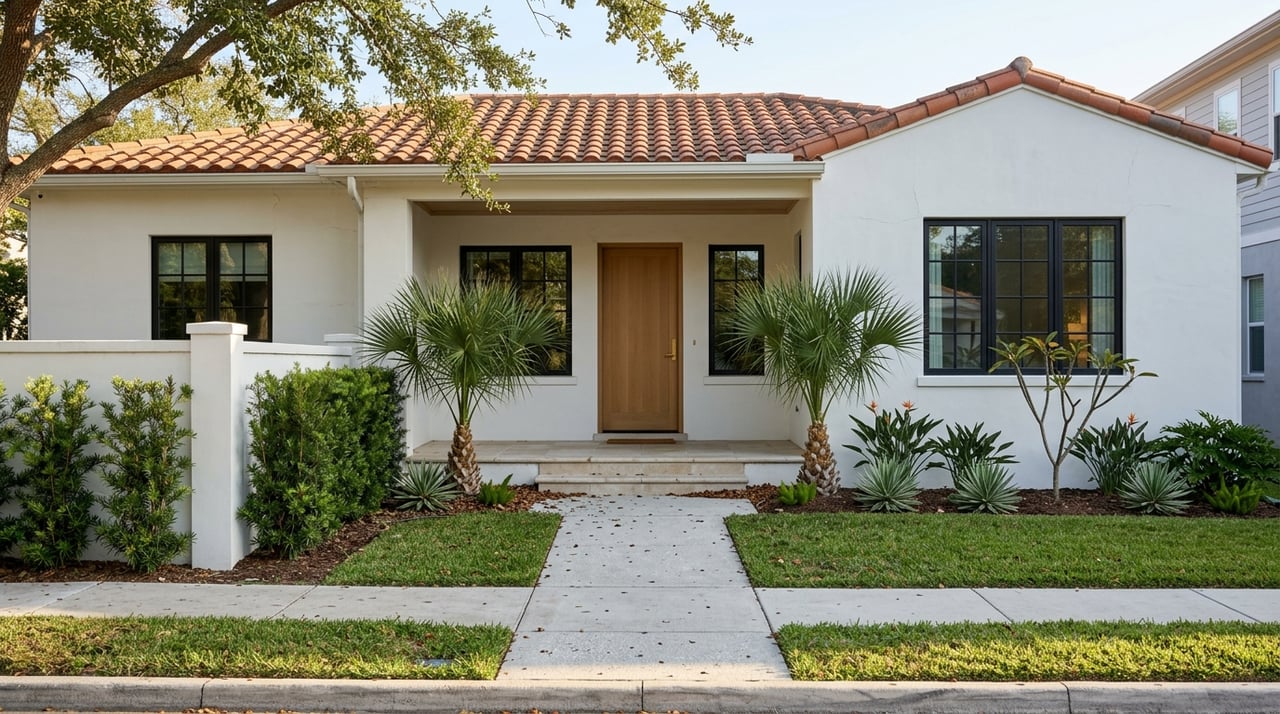
In practical terms, that means you should pay close attention to the front elevation. A home with an intact porch, workable roofline, and original window layout may offer stronger upside than a house with a freshly updated kitchen but a compromised exterior.
Focus on the street-facing features
When you walk a property, look at the parts of the home people notice first. In these neighborhoods, preserving or improving visible character can have a big effect on market appeal.
Key features to evaluate include:
- Front porch condition and design
- Roof shape and visible roofline
- Window placement and proportions
- Original siding, trim, and exterior details
- How any addition relates to the main structure
- Overall fit with nearby homes on the street
A house that still reads well from the curb often gives you a better renovation foundation. Interior updates can usually be staged in phases, but exterior changes may involve more review, more cost, and more risk.
Know the common project types
The city’s residential permit categories offer a useful snapshot of the kinds of work fixer-upper buyers often face. These include additions, driveways, electrical, plumbing, mechanical work, foundation stabilization, remodeling, roofing, siding and stucco, accessory structures, and more.
That matters because many older homes need more than cosmetic work. Before you make an offer, try to understand whether the property needs basic modernization, structural repair, or a more complex full-scale renovation.
Historic rules can change your plan
One of the biggest buying mistakes in Tampa Heights or Seminole Heights is assuming you can renovate however you want after closing. In some cases, historic district rules may affect what you can change on the exterior.
Tampa’s historic preservation program says both Tampa Heights and Seminole Heights appear on the city’s local district maps. The city also notes that maps alone are not enough to determine whether a specific structure is contributing or non-contributing, so property-specific verification matters before you buy.
If a property falls under local historic review, a Certificate of Appropriateness is required for new construction, additions, and exterior repairs. The city recommends contacting staff early in the planning process, which is especially important if you are thinking about major exterior changes or a second-story addition.
Compatible does not mean copy-and-paste
The city’s guidance for both neighborhoods emphasizes compatible design, not imitation. New work should fit the surrounding context without trying to create a fake historic version of the house.
For Tampa Heights, the guidelines favor materials common to the district, with wood siding preferred over aluminum or vinyl, along with compatible roof forms, windows, porches, and trim. In Seminole Heights, the guidance says not to replace sound wood sash windows with metal and to preserve porch supports and ornamentation where possible.
For buyers, this means the cheapest exterior fix is not always the smartest one. Cutting character features can hurt both approval chances and future resale appeal.
Watch for age-related renovation risks
Older homes can be rewarding, but they can also come with hidden costs. One major issue to keep on your radar is lead-based paint.
Because many homes in these neighborhoods were built before 1978, the EPA warns that lead-based paint may still be present. Renovation work can create hazardous dust, which is why lead-safe work practices matter.
If lead is a possibility, the EPA recommends using a lead-safe certified contractor rather than treating the job like a standard cosmetic remodel. That is especially important if your renovation plans include sanding, scraping, replacing windows, or opening walls.
Tampa Heights vs. Seminole Heights
Both neighborhoods can offer compelling fixer-upper opportunities, but they are not identical. Your best fit depends on what kind of project you want and how you define upside.
Tampa Heights strengths
Tampa Heights stands out for its location near downtown and the Riverwalk, along with visible redevelopment activity in the broader area. That setting can support demand for renovated homes that preserve neighborhood character while offering updated interiors and systems.
You may also find appeal here if you want an urban location with a blend of historic homes and infill potential. Buyers who value proximity to central Tampa often keep this neighborhood on their short list.
Seminole Heights strengths
Seminole Heights stands out for its historic identity and large stock of bungalow-era homes. The neighborhood’s strong architectural character helps explain why restored or sympathetically renovated homes often draw attention.
If you are looking for a house where original details are part of the value story, Seminole Heights may feel especially compelling. It can be a good fit for buyers who want a renovation that highlights craftsmanship and curb appeal.
Can an ADU be part of the plan?
For some buyers, an accessory dwelling unit can improve flexibility and long-term use. Tampa’s code allows ADUs in Seminole Heights and the Tampa Heights Overlay, but there is an important condition: the main residence must be owner-occupied.
The city also notes that other use regulations still apply, so an ADU is not automatic on every parcel. If this is part of your strategy, you will want to verify the property’s specific eligibility before you buy.
That can make an ADU useful for multigenerational living or house-hacking, but it should never be assumed based on neighborhood name alone. Parcel-level research matters.
A smart fixer-upper buying checklist
Before you move forward on a home in Tampa Heights or Seminole Heights, make sure you can answer these questions:
- Is the home in or affected by a local historic district?
- Has the property’s contributing or non-contributing status been verified?
- Which exterior elements appear original and worth preserving?
- Do the roofline, porch, and windows support future resale appeal?
- What permit categories are likely to apply to your renovation?
- Is there any concern about lead-based paint due to the home’s age?
- If you want an ADU, is the parcel eligible under current city rules?
- Does the total budget still make sense after purchase price and renovation costs?
A good fixer-upper is not just about buying below market. It is about buying a property where the renovation path is clear, the character is worth protecting, and the finished product fits the neighborhood.
Final thoughts on buying smart
Buying a fixer-upper in Tampa Heights or Seminole Heights can be a strong move if you approach it with clear eyes. These neighborhoods offer location, architectural character, and buyer appeal, but they also demand more planning than a typical cosmetic flip mindset.
The buyers who do best here usually understand that curb-facing character, historic compatibility, and renovation discipline all matter. If you want a property with upside, focus on homes where the visible bones are strong and the path through review, permitting, and renovation feels realistic.
If you want a strategic read on renovation potential, neighborhood fit, and pricing in Tampa’s urban core, Louis Acevedo can help you evaluate your options with a consultative, data-driven approach.
FAQs
What makes a fixer-upper in Tampa Heights worth buying?
- A strong candidate usually has good street-facing character, a workable layout, and exterior features like porches, rooflines, windows, and materials that support compatible renovation and resale appeal.
What should you verify before buying in Seminole Heights?
- You should verify whether the property is affected by local historic rules, whether its specific status has been confirmed, and which renovation changes may require city review.
Do Tampa Heights homes often need more than cosmetic updates?
- Yes. City permit categories show that common projects can include roofing, foundation stabilization, electrical, plumbing, mechanical work, additions, siding, and full remodeling.
Why do porches and windows matter in Tampa historic neighborhoods?
- City design guidelines place strong emphasis on compatibility at the street level, so visible features like porches, roof forms, windows, trim, and façade proportions can influence both renovation decisions and resale appeal.
Can you add an ADU to a fixer-upper in Tampa Heights or Seminole Heights?
- Tampa allows ADUs in Seminole Heights and the Tampa Heights Overlay, but the main residence must be owner-occupied and other city regulations still apply, so each parcel needs to be checked individually.
Should you worry about lead-based paint in older Tampa homes?
- If the home was built before 1978, lead-based paint may be present, and renovation can create hazardous dust, which is why lead-safe work practices and a lead-safe certified contractor may be important.