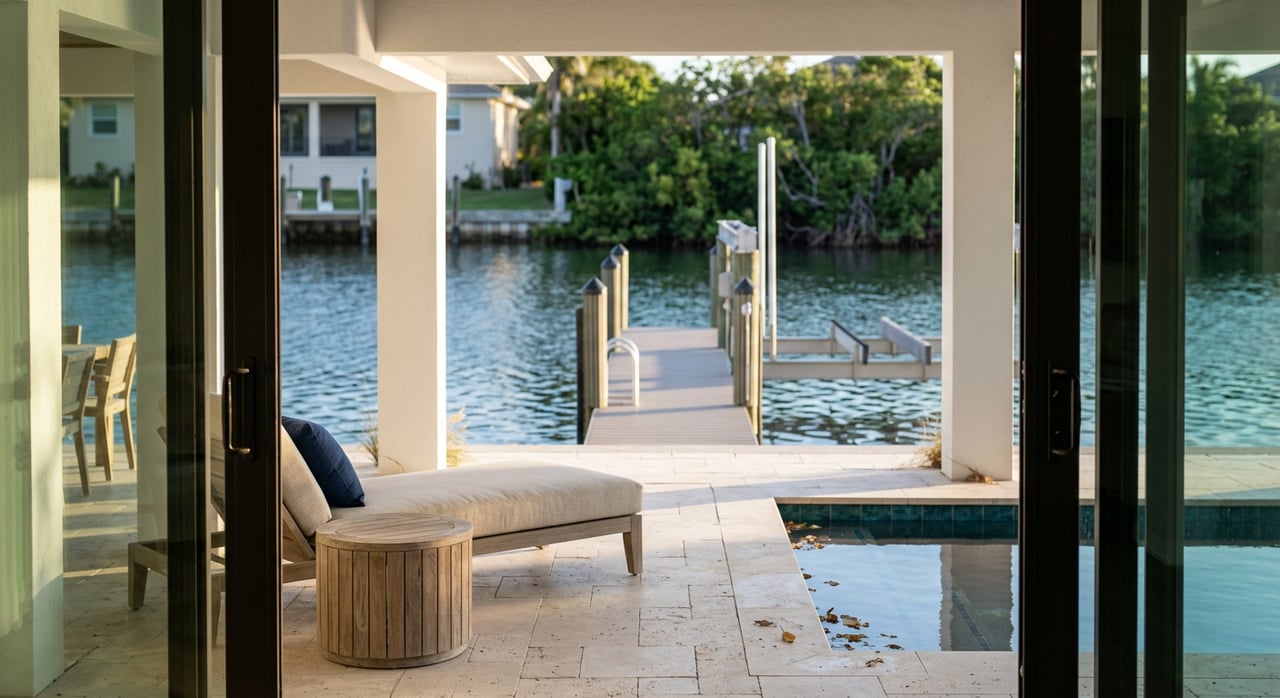
What if your morning coffee came with pelicans gliding past your dock and your weekends felt like a standing boat date? In Apollo Beach, you can fold boating, nature, and easy waterfront dining into daily life. Still, you also balance commute time, flood considerations, and neighborhood rules. In this guide, you’ll learn what everyday living really looks like, how the costs stack up, and where Apollo Beach shines compared with inner-bay enclaves. Let’s dive in.
What everyday waterfront living feels like
Boating made part of your week
Water is your backdrop here. Many canal-front homes have private docks and lifts, and several master-planned communities offer marina or lagoon access. If you trailer or paddle, you have public options too. The Florida Fish and Wildlife boating guide lists local ramps and basic conditions so you can match your boat to the right launch. You can review ramp locations and details in the Tampa Bay guide’s Apollo Beach section through the state’s resource on boating access and ramps.
Before you buy for boating, confirm canal depth, the presence and height of any fixed bridges between your dock and Tampa Bay, and neighborhood rules for docks and lifts. Hillsborough County also offers a boat ramp pass and conservation park access that many residents use for small craft and weekend outings.
Nature and manatees up close
Apollo Beach blends daily life with wildlife. The TECO Manatee Viewing Center at Big Bend opens seasonally, typically from November through mid-April, and offers boardwalks, an observation platform, and interpretive exhibits. It is a true local favorite for residents and visitors. Check current season details on Tampa Electric’s Manatee Viewing Center visitor materials.
For a quiet shoreline experience, the county-managed Apollo Beach Nature Preserve provides boardwalks, an accessible observation tower, and shoreline fishing. The preserve is intentionally natural. Swimming is discouraged or prohibited because of currents, so think low-impact recreation, birding, and sunset views.
Waterfront dining and social spots
Waterfront restaurants are part of the rhythm of life. Circles Waterfront is a go-to for dock-and-dine meals and sunset gatherings. You can preview menus and hours through the Circles Waterfront site. Nearby Ruskin and Little Harbor also offer casual waterfront options that round out your weekend lineup.
Parks and rec beyond the water
Beyond boating and beaches, the local recreation center supports everyday family life with a skate park, splash pad, playgrounds, and sports courts. Explore programs and amenities at the Apollo Beach Park & Recreation Center.
Daily logistics to consider
Commute and drive times
Most residents drive. According to U.S. Census QuickFacts, Apollo Beach’s mean travel time to work is about 35.3 minutes, which reflects many people commuting outside the neighborhood. You will likely use Big Bend Road to I-75, then the Selmon Expressway or local arterials. Peak-hour congestion and toll choices can change your door-to-desk time. For planning, budget roughly 30 to 45 minutes off-peak to central Tampa, longer in rush hour, and test your route during your typical commute window. See demographic and commute context in the Census QuickFacts for Apollo Beach.
Schools and enrollment
Apollo Beach addresses are served by Hillsborough County Public Schools. Many neighborhoods reference Apollo Beach Elementary, Eisenhower Middle, and East Bay High, but zoning depends on the exact address and can change. Always use the district’s official boundary lookup and confirm assignments during your due diligence.
Health care and emergency
For hospital care, Apollo Beach residents commonly use HCA Florida South Shore Hospital in the Sun City Center and Ruskin area, along with additional facilities in Riverview and greater Tampa. For a regional view of service areas and facilities, review HCA West Florida’s impact report.
Shopping and errands
You will find daily-needs retail along US-41, with bigger-box shopping and medical services clustered along the I-75 corridor and in nearby Sun City Center and Ruskin. The feel is simple: quick local runs for essentials, then short drives for larger errands.
Home types, prices and value
Canal homes vs. gated communities
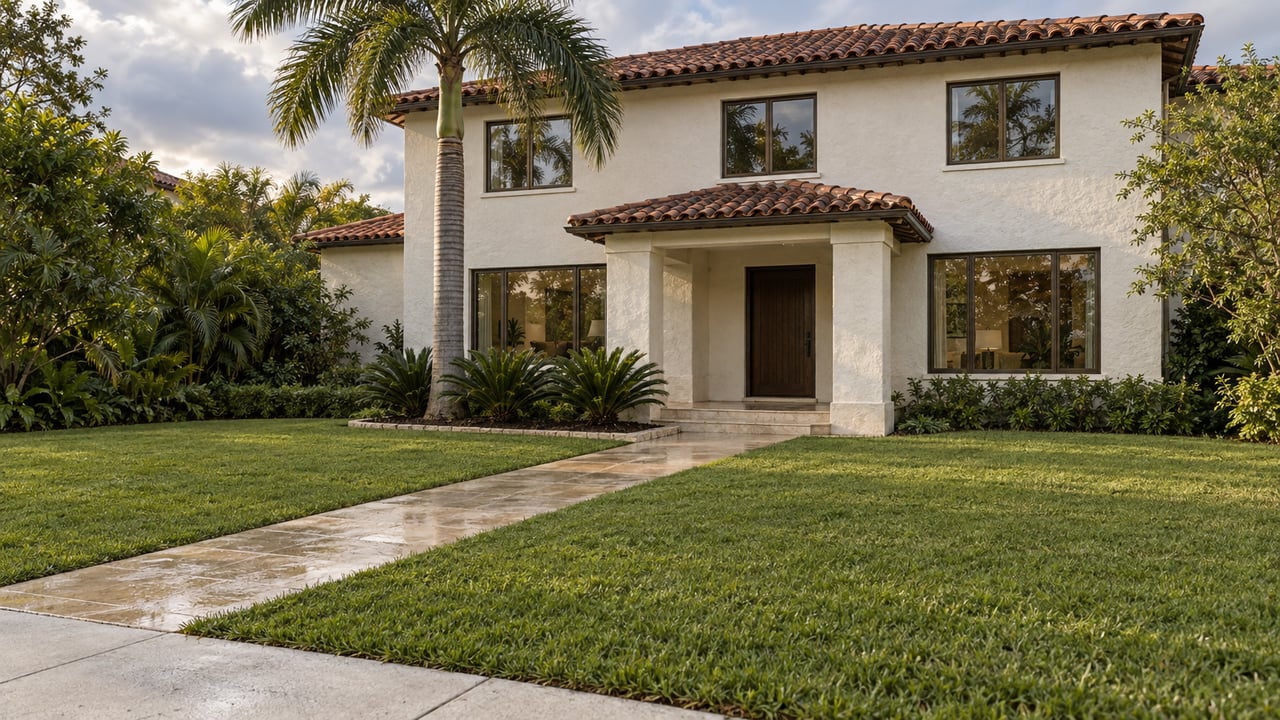
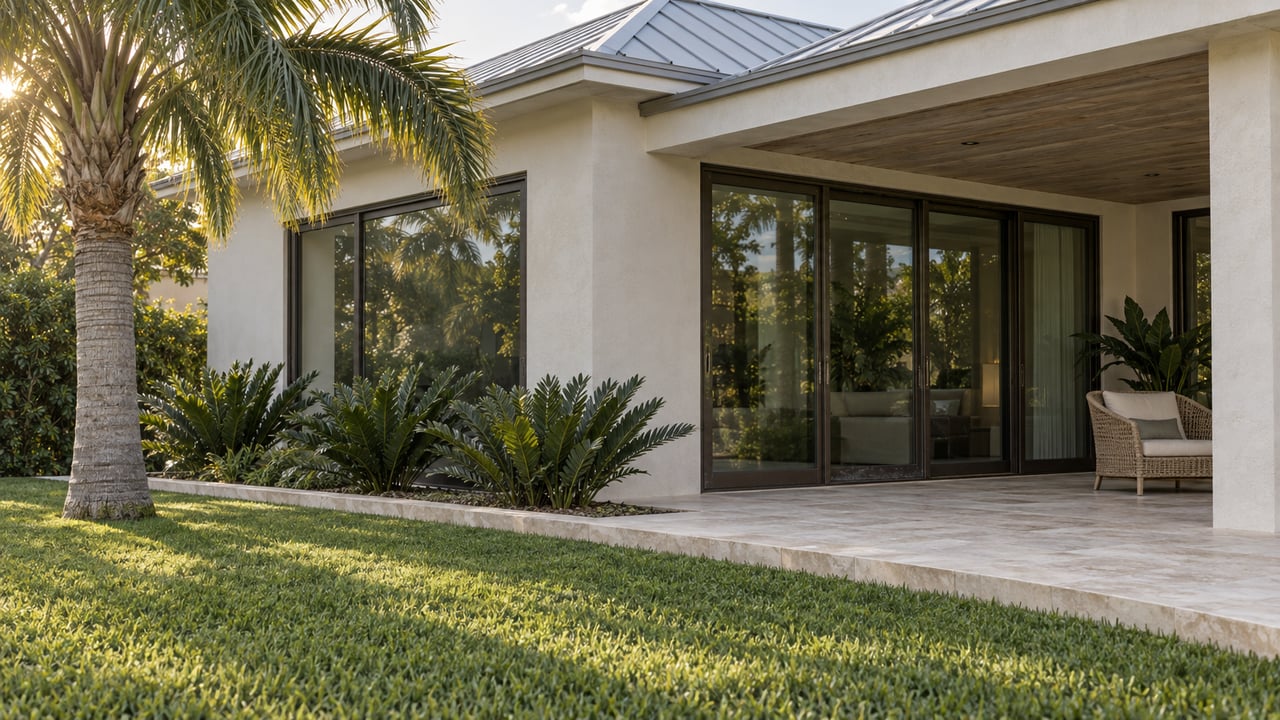
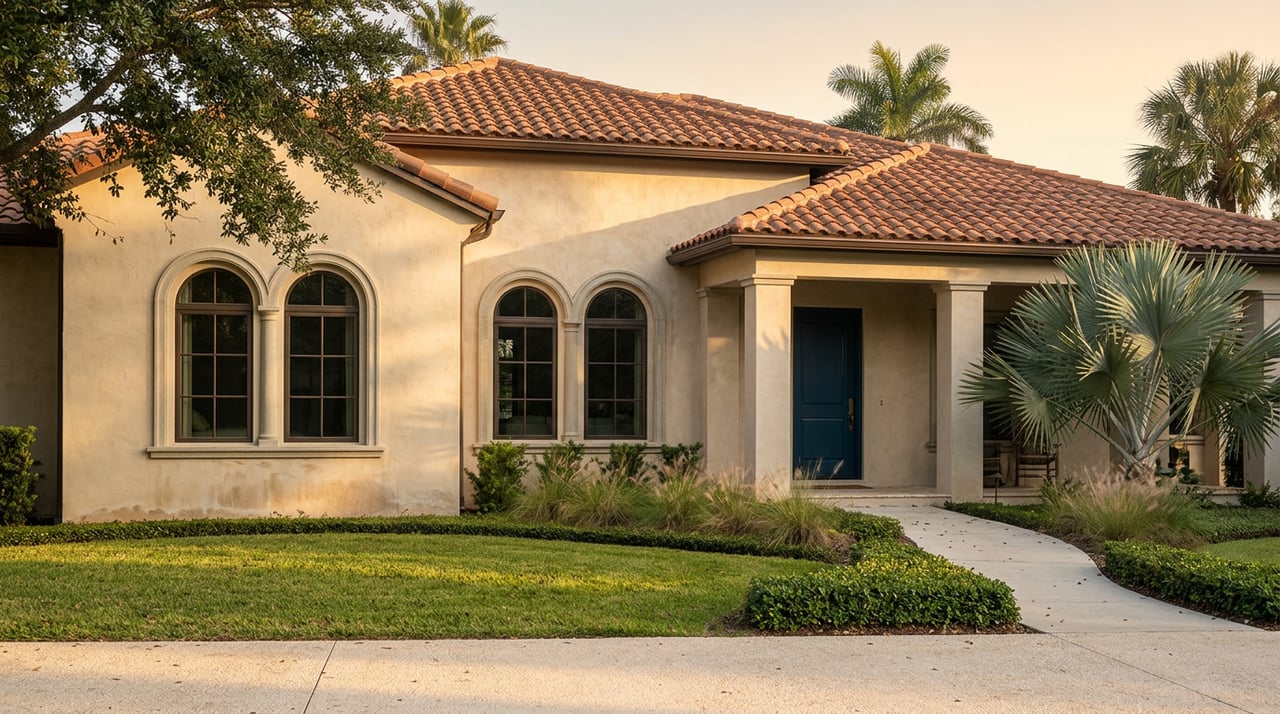
Apollo Beach is a mix. Older canal neighborhoods offer direct water access, private docks, and a wide range of condition and pricing. Newer gated communities like MiraBay or Andalucia bring resort-style amenities and planned aesthetics, with prices that vary by water orientation, lot type, and build series. Interior lots in master-planned communities often price differently than true canal or bayfront.
As of early 2026, market trackers place Apollo Beach in the mid-market range overall. For example, Redfin reported a median sale price around 455,000 dollars in February 2026, while Zillow’s typical value measures sit in the low to mid 400,000s. Methods differ, so always cite the provider and snapshot date when comparing.
What drives waterfront value
“Waterfront” is not a single price tier. Value depends on canal depth, whether you face open water or a lagoon, the presence of fixed bridges, dock allowances, seawall condition, and neighborhood amenities. Two similar-looking homes can have very different boating access and long-term maintenance profiles, which show up in price and resale.
Flood, insurance and long-term resilience
Flood zones and insurance
Many canal-front and bayfront parcels fall within higher-risk FEMA flood zones such as AE or VE. Lenders typically require flood insurance in these areas. Premiums depend on the property’s elevation, building attributes, and insurer. Always perform an address-level FEMA flood map check and request an elevation certificate from the seller when available. Hillsborough County provides helpful context through its parks and boat pass portal, and your agent can guide you to the correct FEMA resources during due diligence.
Sea level planning context
Regional science bodies advise using scenario ranges for Tampa Bay. The Tampa Bay Regional Planning Council’s Climate Science Advisory Panel recommends planning for roughly 1 to 2.5 feet of sea level rise by 2050 depending on the scenario, with greater increases possible later in the century. You can read the recommended projections on the TBRPC site. For buyers, this is a long-term planning lens that can influence insurance, renovation choices, and future seawall or elevation projects.
Waterfront maintenance basics
Seawalls, docks, and lifts are capital items that require periodic repair or replacement. Costs vary by scope and contractor. Review county permitting records for recent work on a property, and budget for future maintenance as part of your ownership plan.
Taxes, HOA and CDD fees
Expect variation across neighborhoods. Older canal areas may have minimal HOA oversight and no CDD fees. Newer master-planned communities typically include HOA dues and a Community Development District assessment that increases your monthly cost of ownership. Always confirm the current HOA documents and CDD schedule during your offer review.
Apollo Beach vs. inner-bay enclaves
Price and space
Compared with legacy luxury neighborhoods like Davis Islands or Harbour Island, Apollo Beach tends to offer a lower overall price point and a wider range of waterfront options. Inventory is larger and more varied, which can translate to more space for the cost.
Boating access vs. urban access
Inner-bay islands trade at a premium for short commutes and walkable urban amenities. Apollo Beach trades some of that convenience for deeper canal access in select areas, larger lots, and a quieter suburban waterfront feel. If you want more boat and dock flexibility at a mid-market price, Apollo Beach is often the value play.
Is Apollo Beach right for you?
Choose Apollo Beach if you want a daily connection to the water, a strong conservation and recreation scene, and a broad spectrum of waterfront and amenitized communities. Go in with clear expectations on commute time, flood risk, and maintenance planning, and the lifestyle can feel like a long weekend that never ends.
If you are weighing neighborhoods or want a data-backed plan for pricing, insurance, and boating criteria, connect with Louis Acevedo to map your options and schedule a call.
FAQs
Can I keep a large boat at my house in Apollo Beach?
- Possibly, if your lot sits on a deep-water canal with sufficient depth, no low fixed bridges to Tampa Bay, and local rules allow private docks and lifts; confirm specifics using the state’s boating access guide and community documents.
Will I need flood insurance for a waterfront home in Apollo Beach?
- Likely, if the property is in a FEMA AE or VE zone; verify the exact flood zone at the address level and request an elevation certificate to inform premiums and lending.
How long is the commute from Apollo Beach to downtown Tampa?
- The ACS shows a mean travel time of about 35.3 minutes for residents, with many people seeing 30 to 45 minutes off-peak to central Tampa and longer at rush hour via Big Bend Road, I-75, and the Selmon.
Is swimming allowed at Apollo Beach Nature Preserve?
- No, the preserve is designed for viewing, fishing, and low-impact recreation, and swimming is discouraged or prohibited because of currents; see Hillsborough County’s preserve page for details.
Which hospitals serve Apollo Beach residents?
- HCA Florida South Shore Hospital in Sun City Center and facilities in nearby Ruskin and Riverview provide routine and emergency care, with specialty options across the Tampa metro; review the HCA West Florida overview for regional context.
What should I budget for HOA and CDD fees in newer communities?
- Amounts vary by neighborhood and are disclosed in community and MLS documents; expect both HOA dues and a Community Development District assessment in many master-planned areas, which can materially affect monthly costs.