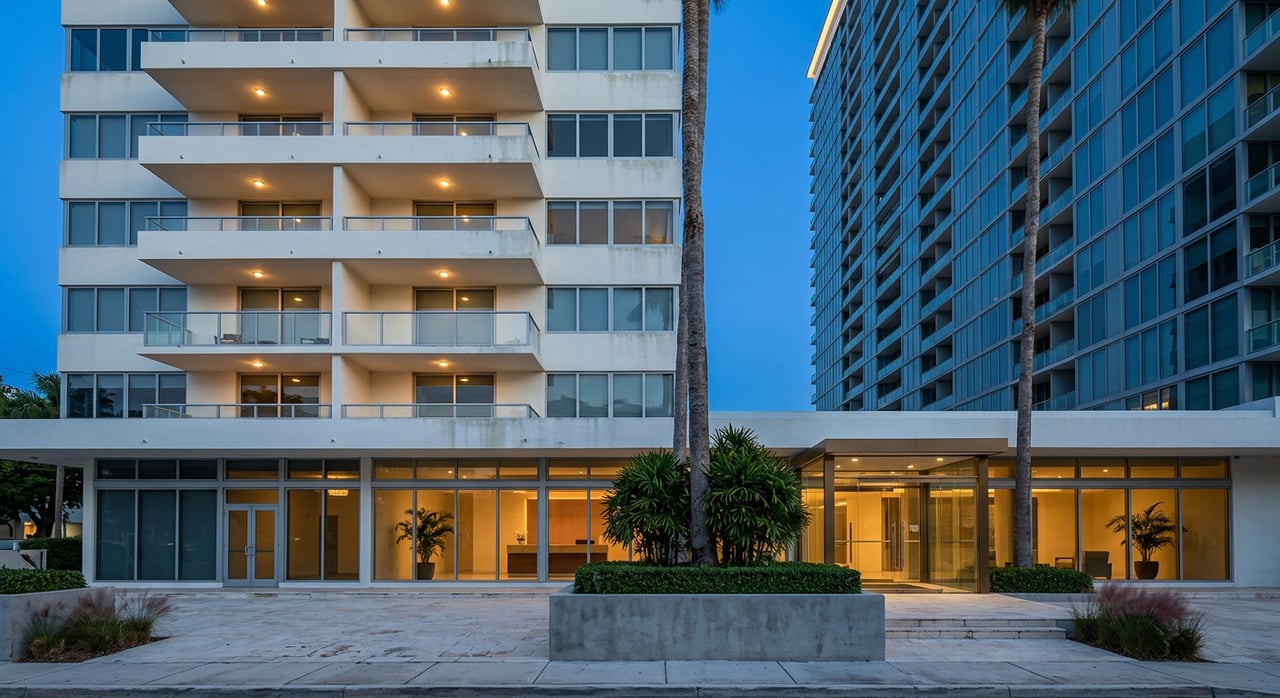
Are you picturing quiet, character-filled condo living or a vertical, full-service lifestyle with skyline views? If you are shopping in downtown St. Petersburg, you are likely choosing between boutique mid-rises and new or established tower residences. Each offers a different rhythm of daily life, cost profile, and resale story. In this guide, you will learn how these two product types compare, what to expect for inspections and insurance in coastal Florida, and how to vet a building before you write an offer. Let’s dive in.
What “boutique” and “tower” mean in St. Pete
Boutique condos in St. Petersburg are smaller buildings, often under 10 to 15 stories and usually fewer than 100 units. You will see intimate amenity sets like a courtyard pool, a small fitness room, and a community lounge. Examples include historic conversions and mid-rise communities such as The Madison, which orients around a resort-like courtyard. You also find converted character properties like Snell Arcade that offer unique floor plans and architectural details.
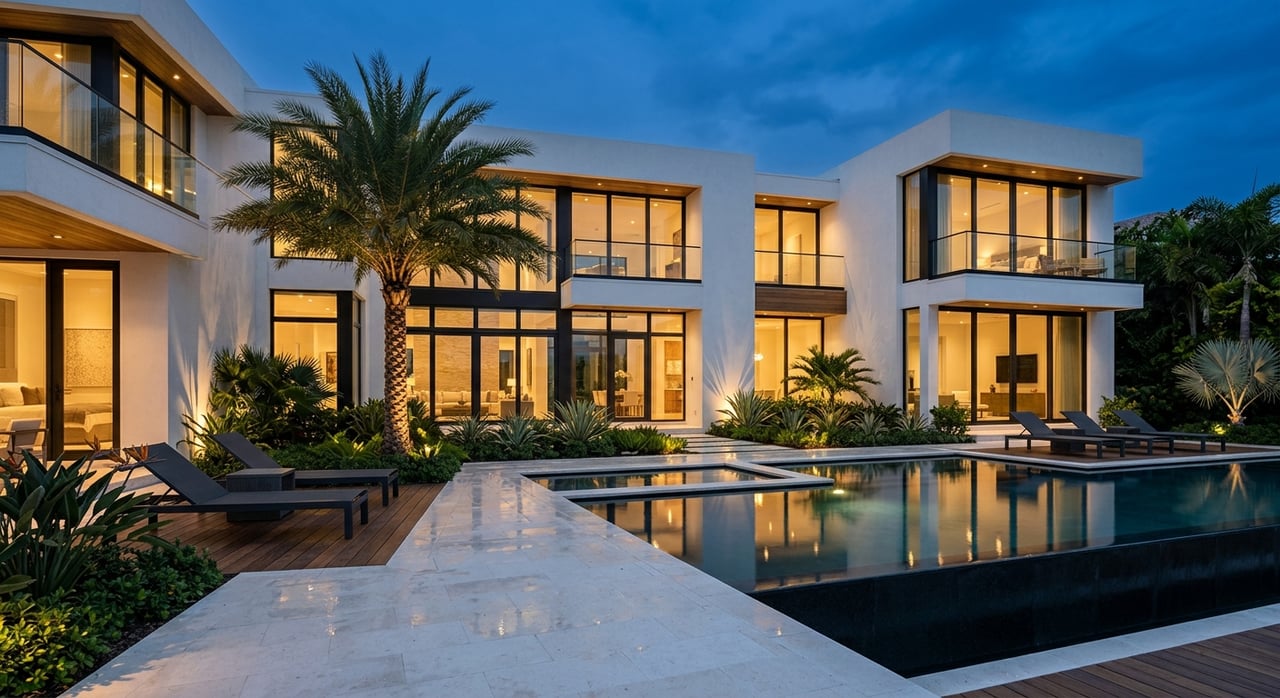
Tower residences are the larger, full-service high-rises that define the skyline. Expect 20-plus stories, hundreds of units, multi-level amenities, and on-site teams that can include concierge and valet. Signature Place is a strong example of downtown tower living with a resort-style program and 24/7 services. Newer projects, highlighted by coverage on the downtown construction wave, like the Residences at 400 Central and branded proposals such as Waldorf Astoria Residences, are setting fresh standards for amenities and price points.
St. Pete is in a notable tower-building cycle, with several 30 to 50 story projects expanding supply and sharpening the contrast between boutique and tower living. That split shows up in lifestyle, operating costs, and in how buyers finance and resell units.
- Explore a full-service example at Signature Place for amenity scope and staffing.
- See local reporting on the scale and sales momentum at the Residences at 400 Central.
- Review the planned service package at Waldorf Astoria Residences for a sense of branded-luxury expectations.
- For boutique flavor, browse a current listing at The Madison to see how smaller buildings program amenities.
Lifestyle tradeoffs
Privacy and character
If you value a lower-density, quieter building experience, boutique living may fit. Units can feel more residential with larger rooms and, in some conversions, higher ceilings and distinct layouts. Streetside scale matters too. Many boutique buildings sit closer to neighborhood life, placing you within a short walk of Beach Drive, dining, galleries, and the waterfront.
Views and full-service living
If you want panoramic views and a full slate of amenities, towers deliver. You trade elevator dependence and a more dynamic lobby scene for rooftop lounges, sky decks, 24/7 concierge, and resort-style pools. Unit types often range from efficient one-bedrooms to large, view-forward residences and penthouses. Daily life feels more like a vertical resort with programmed spaces for work, fitness, and entertaining.
Amenities and HOA costs
Towers typically provide more services and cost more to operate. Heated pools, multiple lounges, large fitness centers, sky decks, concierge teams, and extensive glass and elevator systems all add to fixed costs. That scale often translates into higher monthly association assessments for comparable unit sizes. Listings at Signature Place, for example, show a wide range of dues across unit sizes that reflect the building’s full-service amenity package.
Boutique buildings tend to have smaller amenity footprints and fewer staff members, which can help moderate dues. Still, you should not assume small equals inexpensive. Reserve funding, insurance, security, and service levels drive most of the variation. If you want to understand where dues go, review a simple breakdown of what HOA fees commonly cover, including maintenance, master insurance, elevator service, and reserves.
Building age, inspections, and reserves
Florida’s post-Surfside reforms created mandatory structural oversight for buildings three stories and taller. The law requires milestone structural inspections beginning at 30 years of age (25 years if within 3 miles of the coast) and then every 10 years. Associations must also maintain structural integrity reserve studies and disclose key documents in resale packages.
- Review the milestone inspection statute for timing and scope.
- See resale disclosure requirements to understand what should be shared with you as a buyer.
What this means for you: Older towers and mid-rises may face inspection-driven capital projects. In large towers, complex systems like elevator banks, waterproofed amenity decks, and extensive façades can lead to sizable special assessments if work has been deferred. Boutique buildings are not immune, but they often have fewer large-scale systems to maintain. Inspection timing and the reserve study are key negotiation points in any condo purchase.
Insurance and flood risk in coastal Pinellas
Insurance is a material cost in downtown and waterfront St. Petersburg. You will want to understand the building’s master policy, deductibles, and what falls to your unit policy (HO-6). Flood zones also matter. Use the FEMA Flood Map Service Center to check a unit’s specific flood zone, which influences lender requirements and premiums.
Market conditions in Florida have put pressure on association insurance costs and deductibles. Recent reporting points to increased owner costs tied to both insurance markets and new reserve obligations. When you evaluate a building, ask for the master policy declarations, deductible schedules, and a unit-level HO-6 and flood quote so you can see the full picture.
- Look up the property’s FEMA flood zone.
- Read national reporting on owner cost pressures in Florida’s condo market.
Financing and resale dynamics
Financing can shape both your purchase options and your resale pool. Many lenders rely on agency standards from Fannie Mae and Freddie Mac, or FHA, which include requirements for reserves, owner occupancy, and project health. Some buildings are reviewed through Fannie Mae’s Project Eligibility Review Service (PERS). If a project does not meet agency criteria, buyers may need spot approvals or non-agency financing, which can narrow demand and affect pricing.
Locally, new luxury towers often attract cash or jumbo buyers, which reduces reliance on FHA or agency approvals. Older buildings with higher rental mixes, delinquency issues, or pending litigation can be harder to finance. That often shows up as slower resales or discounting compared with newer, amenity-rich product.
- Learn how Fannie Mae reviews condo projects and what that can mean for loan eligibility.
Rental rules and short-term stays
Rental policies live in each building’s declaration and bylaws. Some downtown buildings permit short stays, while others require longer minimum leases or restrict rentals entirely. These rules influence lifestyle, financing, and resale. Lenders and insurance carriers often look at owner-occupancy levels and rental percentages, so confirm the latest bylaws and any amendments before you structure an offer if leasing flexibility is important to you.
Quick decision guide
Choose a boutique building if you want:
- Lower-density living and a quieter lobby scene.
- Unique floor plans and character elements.
- A neighborhood scale close to walkable dining and culture.
- Potentially lower staffing-driven dues, with case-by-case exceptions.
Choose a tower residence if you want:
- Skyline or water views and expansive glass.
- Full-service amenities, concierge, and programmed spaces.
- A resort-like daily routine with everything in-building.
- Strong appeal to cash and jumbo buyers at resale in newer towers.
Buyer due-diligence checklist
Before you submit an offer, ask your agent to request these items from the seller or association. Florida law requires many of them in the resale disclosure package.
- Association operating budget and recent financials with current reserve and cash balances.
- Structural Integrity Reserve Study and any other reserve study showing recommended annual contributions.
- Milestone inspection reports or notices if the building is 3-plus stories and approaching the first or subsequent milestone.
- Insurance declarations for the master policy and all deductibles; get a quote for your HO-6 and flood policy to see total cost.
- Board meeting minutes for the past 12 to 24 months to surface planned projects, assessments, or material repairs.
- Any litigation disclosures involving the association, sponsor, or developer.
- Current owner-occupancy and rental mix, plus rental rules and any minimum lease terms.
- Management agreements, including length of contract, fees, and any required disclosures.
- Confirmation of parking, storage, and any deeded slips or limited common elements that transfer with the unit.
Watch for red flags like large recent or pending special assessments without full reserve funding, a Phase 2 milestone report indicating substantial deterioration, high wind or hurricane deductibles on the master policy, a very high percentage of short-term rentals, or pending litigation with significant exposure. If you plan to finance, verify early whether the project meets agency criteria or needs a spot review.
- See Florida’s resale disclosures for what you should receive.
- Use Fannie Mae’s PERS reference when you or your lender check project eligibility.
Local examples to compare
- Signature Place. A modern, resort-style high-rise with 24/7 concierge, an infinity pool, fitness, and club rooms. A solid example of “full-service downtown living.”
- Residences at 400 Central. A large new tower shaping the skyline and price tiers. Local reporting points to a robust amenity program and strong demand among cash and jumbo buyers.
- Waldorf Astoria Residences St. Petersburg. A branded luxury proposal that signals higher service levels and potential premium resale dynamics.
- The Madison. A boutique mid-rise with courtyard and pool amenities that show how smaller buildings deliver a more intimate lifestyle.
- Also consider character-forward boutique options like Snell Arcade or mid-sized buildings like Walker-Whitney Plaza for different scales and layouts.
Final thoughts
There is no one-size-fits-all answer. If you want character, neighborly scale, and a quieter daily rhythm, boutique buildings shine. If you want turn-key services, skyline views, and a vertical resort experience, towers are compelling. In both cases, you should evaluate reserves, inspections, insurance, and project eligibility alongside lifestyle. That is how you protect your budget today and your resale value tomorrow.
If you want a tailored short list and a clear read on dues, reserves, and financing for specific buildings, schedule a private consult with Louis Acevedo. You will get a data-backed path to the right St. Pete condo for your lifestyle and budget.
FAQs
What is the main difference between boutique and tower condos in St. Petersburg?
- Boutique buildings offer lower density and intimate amenities, while towers provide full-service programs, skyline views, and more on-site staffing.
How do Florida’s milestone inspections affect St. Pete condo buyers?
- Buildings three stories or taller face age-based structural inspections and reserve requirements, which can trigger capital projects and influence dues and assessments.
What condo HOA fees typically cover in downtown St. Petersburg?
- Dues usually cover common-area maintenance, master insurance, staffing like concierge and janitorial, elevator service, management fees, and required reserves.
How should I check flood risk for a St. Petersburg condo?
- Use FEMA’s Flood Map Service Center to verify the unit’s flood zone, then get quotes for HO-6 and flood insurance to understand total carry cost.
Do rental rules in St. Petersburg condos affect financing and resale?
- Yes. Lenders look at owner-occupancy and rental percentages, and stricter rental rules can impact eligibility for agency loans and the future buyer pool.
What documents should I review before making an offer on a St. Pete condo?
- Ask for the association budget, reserve studies, milestone reports, insurance declarations, recent board minutes, litigation disclosures, and the building’s rental policies.
Review the milestone inspection law | Understand resale disclosures | FEMA Flood Map lookup | Owner cost pressures overview | Fannie Mae PERS | Signature Place example | 400 Central local coverage | Waldorf Astoria Residences | The Madison listing