If you are deciding between a historic bungalow and a newer home in Tampa Heights or Seminole Heights, you are not just choosing square footage. You are choosing how you want to live day to day, how much upkeep you want to take on, and how important original character is to your long-term goals. This guide will help you compare both options with a practical, local lens so you can move forward with more confidence. Let’s dive in.
Tampa Heights vs Seminole Heights Basics
Tampa Heights and Seminole Heights share deep historic roots, but their housing mix is not exactly the same. According to the City of Tampa design guidelines, Tampa Heights is one of the city’s oldest residential areas, with many homes dating from the late 1800s through the mid-1940s. A large share of those homes are bungalows or wood-frame vernacular residences built roughly between 1910 and 1925.
Seminole Heights is also closely tied to early Tampa housing history. The area has a strong concentration of historic bungalow-style homes, and city materials describe restored early-1900s bungalows as a defining part of Old Seminole Heights. At the same time, the broader area includes more variety, with South Seminole Heights showing a mix of 1920s bungalows, ranch homes from the 1950s and 1960s, and modern construction.
What a Tampa Bungalow Offers
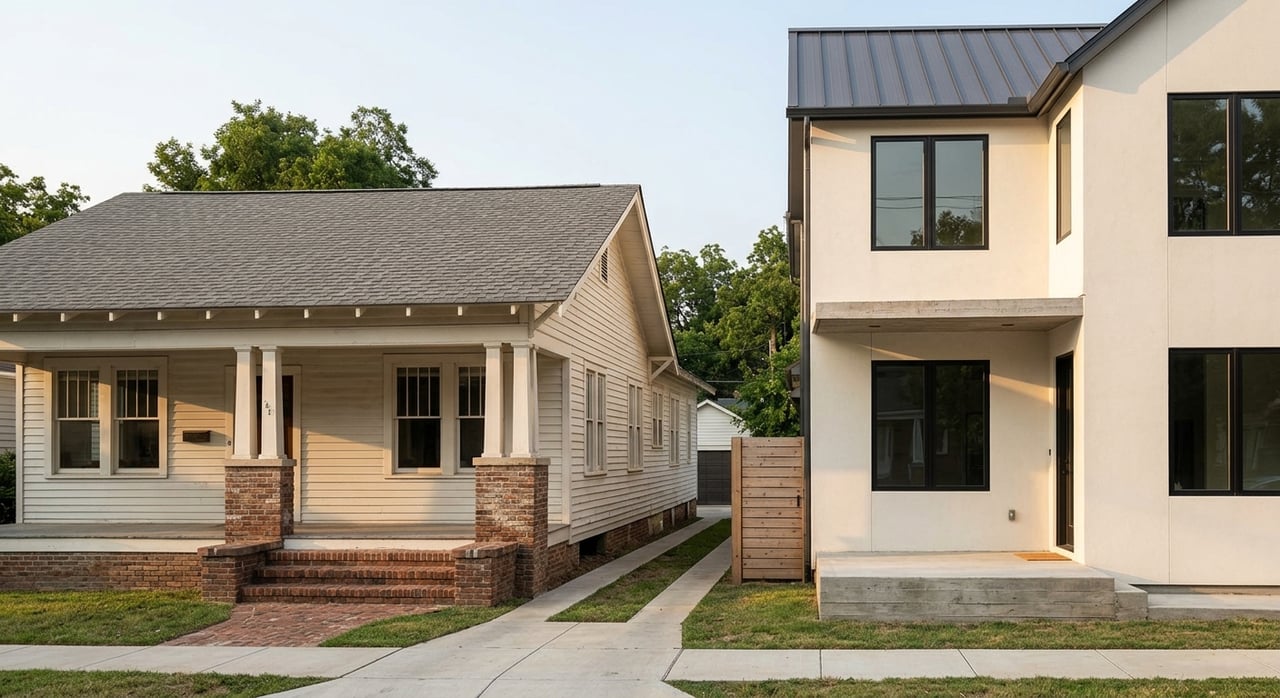
A true bungalow usually has a low-slung profile, a broad roofline, and a front porch that plays a major role in the home’s appearance and function. The National Park Service describes bungalows as efficient, modestly scaled homes that often use tapered porch columns, gabled or hipped roofs, and materials like wood, brick, stucco, or shingles.
In Seminole Heights, local design guidance points to common details like front porches, simple frame construction, steep gable roofs, rectangular floor plans, and small brick piers. Some Craftsman bungalows also feature built-in cabinetry, detailed windows and doors, and exposed structural or ceiling elements. These details are a big part of why buyers are drawn to them in the first place.
Interior Layout in Older Bungalows
Inside, bungalows usually feel more compact and defined than newer homes. The National Park Service notes that bungalow floor plans often use side-by-side rooms, smaller kitchens, short halls, and connected living and dining areas rather than one large open gathering space.
That layout can be a plus if you value cozy rooms, original millwork, and a clear separation between spaces. Many historic bungalows also emphasized cross-ventilation, large paired windows, and in some cases screened porches, which still shape how the home feels today.
What a New Build Often Feels Like
Newer construction in Tampa Heights and Seminole Heights usually aims to fit the block without copying the house next door. The city’s design standards focus on compatibility in scale, massing, setbacks, materials, window patterns, porches, roof forms, and orientation. In both areas, new construction is reviewed through the city’s historic preservation process, and Seminole Heights specifically requires a Certificate of Appropriateness for new construction.
That means newer homes are often designed to respect the surrounding streetscape while still offering a more current interior layout. This is where the biggest lifestyle difference often shows up.
Interior Layout in Newer Homes
National buyer preferences help explain why many newer homes feel so different inside. The NAHB reports that 70 percent of buyers want a completely or partially open kitchen-family room arrangement, and 86 percent want a completely or partially open kitchen-dining arrangement.
In practical terms, that means newer infill homes in these neighborhoods often feel more open and flexible than a traditional bungalow. If you want larger common areas, easier sight lines, and a layout that supports entertaining or working from home in a more adaptable way, a newer build may align better with your needs.
Historic Review Matters
One of the most important differences between a bungalow and a new build in these neighborhoods is the role of historic review. The City of Tampa identifies Seminole Heights as a special district, and both Tampa Heights and Seminole Heights are subject to review by the Architectural Review Commission.
For you as a buyer, that matters because exterior changes may face more oversight than they would in a non-historic area. Design guidelines in these districts emphasize preserving original siding, windows, porches, roof forms, and other visible features that contribute to neighborhood character.
What That Means for Renovations
If you buy an older bungalow, repairs and upgrades often need to be approached carefully. The Tampa Heights guidelines discourage changes like vinyl or aluminum siding on contributing buildings, replacing sound wood sash windows with metal, changing original window sizes or pane patterns, or placing visible mechanical equipment on street-facing facades.
Seminole Heights guidance follows a similar path. For buyers who love authenticity, that may be a worthwhile tradeoff. For buyers who want maximum flexibility to alter the exterior quickly or extensively, it is something to think through before making an offer.
Maintenance Expectations to Budget For
Historic homes can be rewarding, but they often come with more near-term maintenance. A recent City of Tampa example in Old Seminole Heights included leaks, old galvanized pipes, a dilapidated roof, sewer-line replacement, drywall replacement, hurricane-impact windows, and electrical upgrades.
That does not mean every older bungalow will need that level of work. It does mean you should look beyond the purchase price and think about systems, envelope condition, and deferred maintenance. A charming front porch and original trim can be a real asset, but they do not replace the need for a realistic repair budget.
Potential Incentives for Historic Properties
If you are considering a renovation project, there may be financial benefits worth exploring. The Tampa Heights and Seminole Heights guidelines note that qualifying historic properties may be eligible for city and county ad valorem tax exemption programs for approved improvements, and applications generally must be submitted before work begins.
That timing matters. If preservation incentives are part of your plan, you will want to understand the process early. The same guidance also notes that changes to significant interiors can affect tax-credit eligibility, so renovation strategy and timing should be considered together.
Which Home Type Fits Your Priorities?
For many buyers, this decision comes down to lifestyle more than age alone. Both options can work well, but they support different daily routines and ownership expectations.
Choose a Bungalow if You Value
- Original architectural details
- Front porches and historic curb appeal
- More defined rooms instead of one open main area
- The feel of an established historic home
- A willingness to plan for maintenance or phased upgrades
Choose a New Build if You Value
- More open living, kitchen, and dining spaces
- A layout that feels more contemporary and flexible
- Fewer immediate preservation-related constraints
- Potentially lower near-term repair needs
- Newer systems and a more current interior flow
How to Compare Homes Smartly
When you tour homes in Tampa Heights and Seminole Heights, try to compare more than finishes. A beautifully updated bungalow and a polished new build may photograph equally well, but they can live very differently.
Focus on these questions:
- How much original character do you want to preserve?
- Do you prefer separated rooms or open living areas?
- Are you comfortable with likely maintenance on an older home?
- Will you want to change the exterior or expand later?
- Does the home’s layout support your daily routine today?
The best choice is usually the one that fits both your lifestyle and your tolerance for future work. A home that feels perfect on day one but clashes with how you actually live can become frustrating fast.
Final Takeaway for Tampa Heights Buyers
In Tampa Heights and Seminole Heights, a bungalow often offers architectural character, history, and a more traditional layout. A newer build often offers a more open interior, modern flow, and fewer immediate maintenance unknowns. Neither is automatically better. The right fit depends on what you value most and how you want your next home to function.
If you want a strategic, neighborhood-specific perspective as you compare historic charm against modern convenience, Louis Acevedo can help you evaluate the tradeoffs with clarity and confidence.
FAQs
What is the difference between a bungalow and a new build in Tampa Heights?
- In Tampa Heights, bungalows are typically older homes with historic character, front porches, and more compact floor plans, while newer homes are generally designed to fit the neighborhood’s scale but often have a more open and modern interior layout.
Are homes in Seminole Heights subject to historic review?
- Yes. Seminole Heights is identified by the City of Tampa as a special district, and construction review is handled through the Architectural Review and Historic Preservation process.
Do bungalow homes in Seminole Heights usually have open floor plans?
- Not usually. Historic bungalow plans are generally more compact and segmented, with connected but distinct rooms rather than the large open layouts common in newer construction.
Can you renovate a historic bungalow in Tampa Heights?
- Yes, but renovations may need to follow local design guidelines, especially for exterior elements such as siding, windows, porches, and roof forms.
Are there tax incentives for historic homes in Tampa Heights or Seminole Heights?
- Potentially yes. Qualifying historic properties may be eligible for city and county ad valorem tax exemption programs for approved improvements, and applications generally need to be filed before work begins.
Is a new build or bungalow better for lower maintenance in Seminole Heights?
- In general, a newer home may have fewer immediate repair needs, while an older bungalow may require closer attention to items like roofing, plumbing, windows, electrical systems, and exterior materials.